Who We Were
A collection of stories,
memories & reflections of past & present.
When past and present collide.
"שאל אביך ויגדך זקניך ויאמרו לך"
"Ask your parent, who will inform you, your elders, who will tell you"
Parshat Ha'azinu
Proud To Work With
Thanks to the many organisations who made this project possible


About
From Lead Artist Chava Erlanger
Read MoreLess
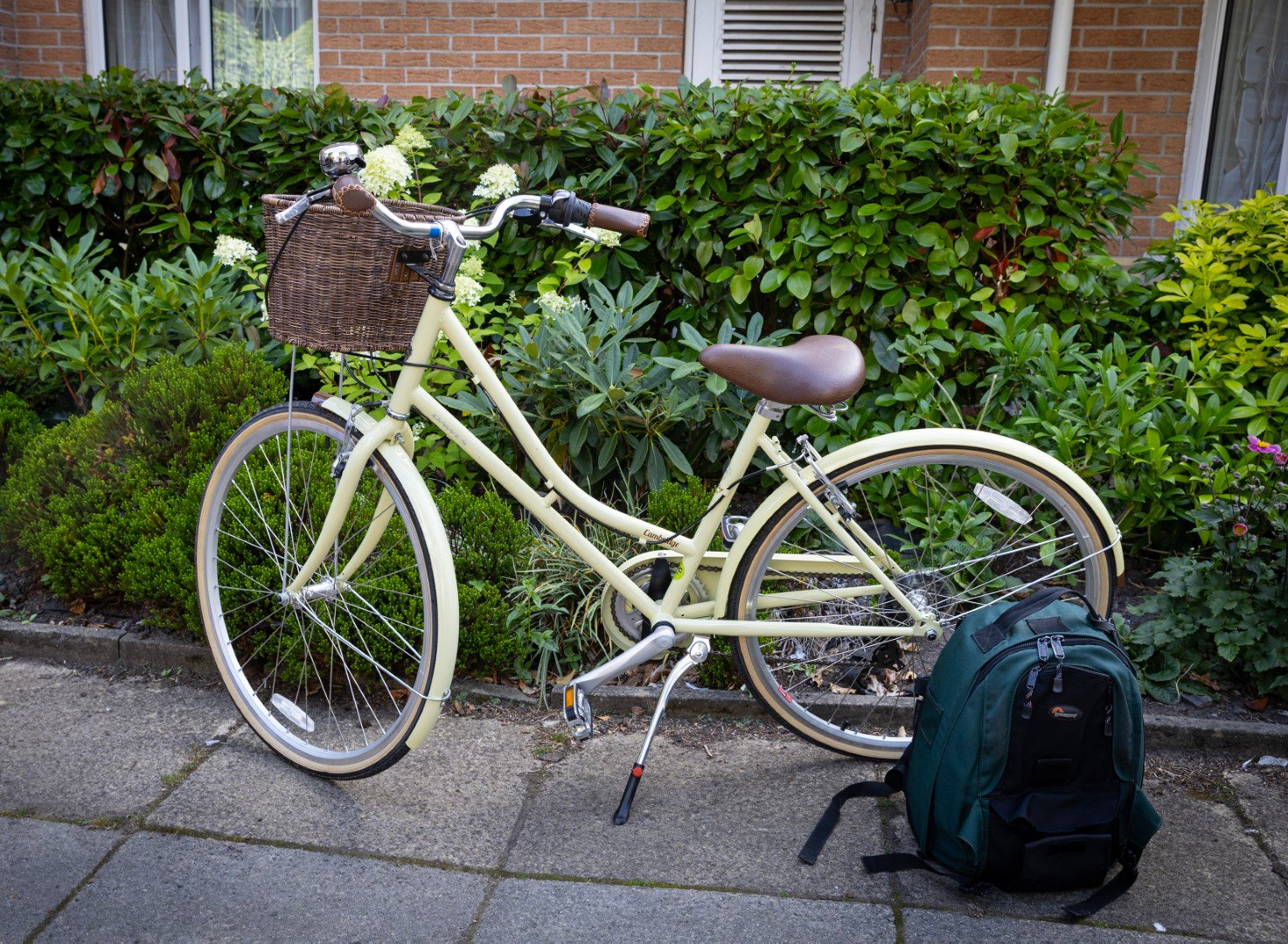
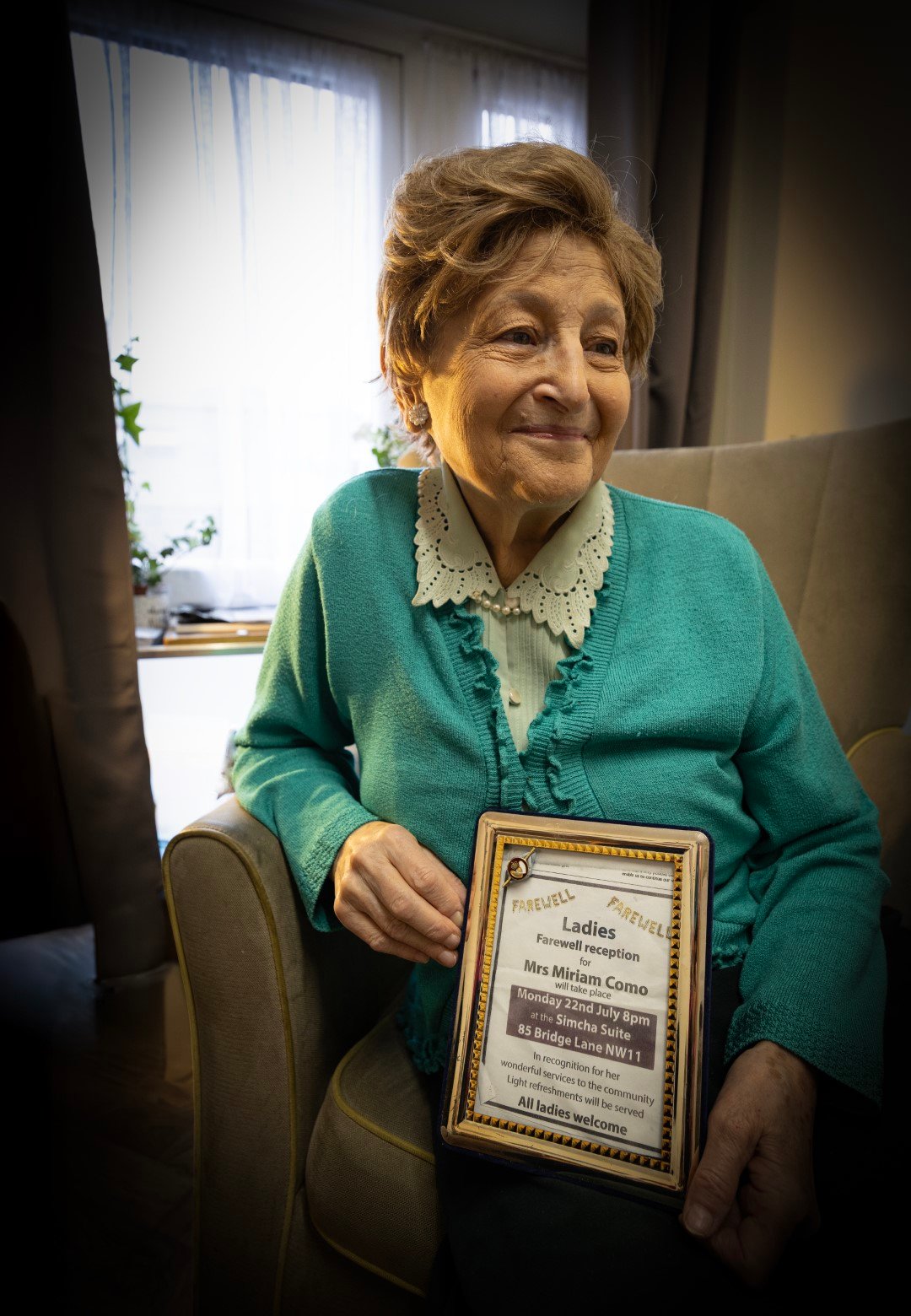
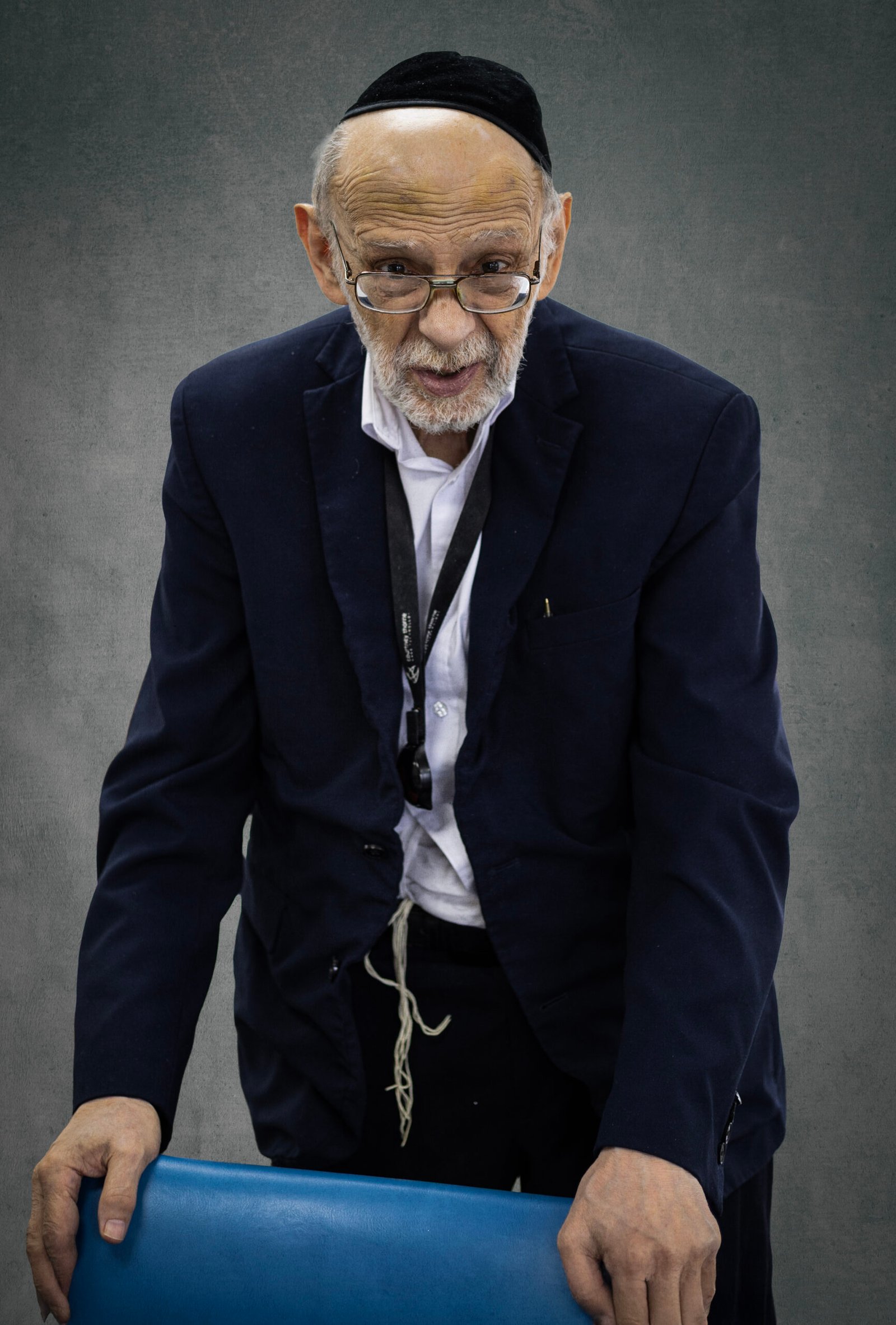
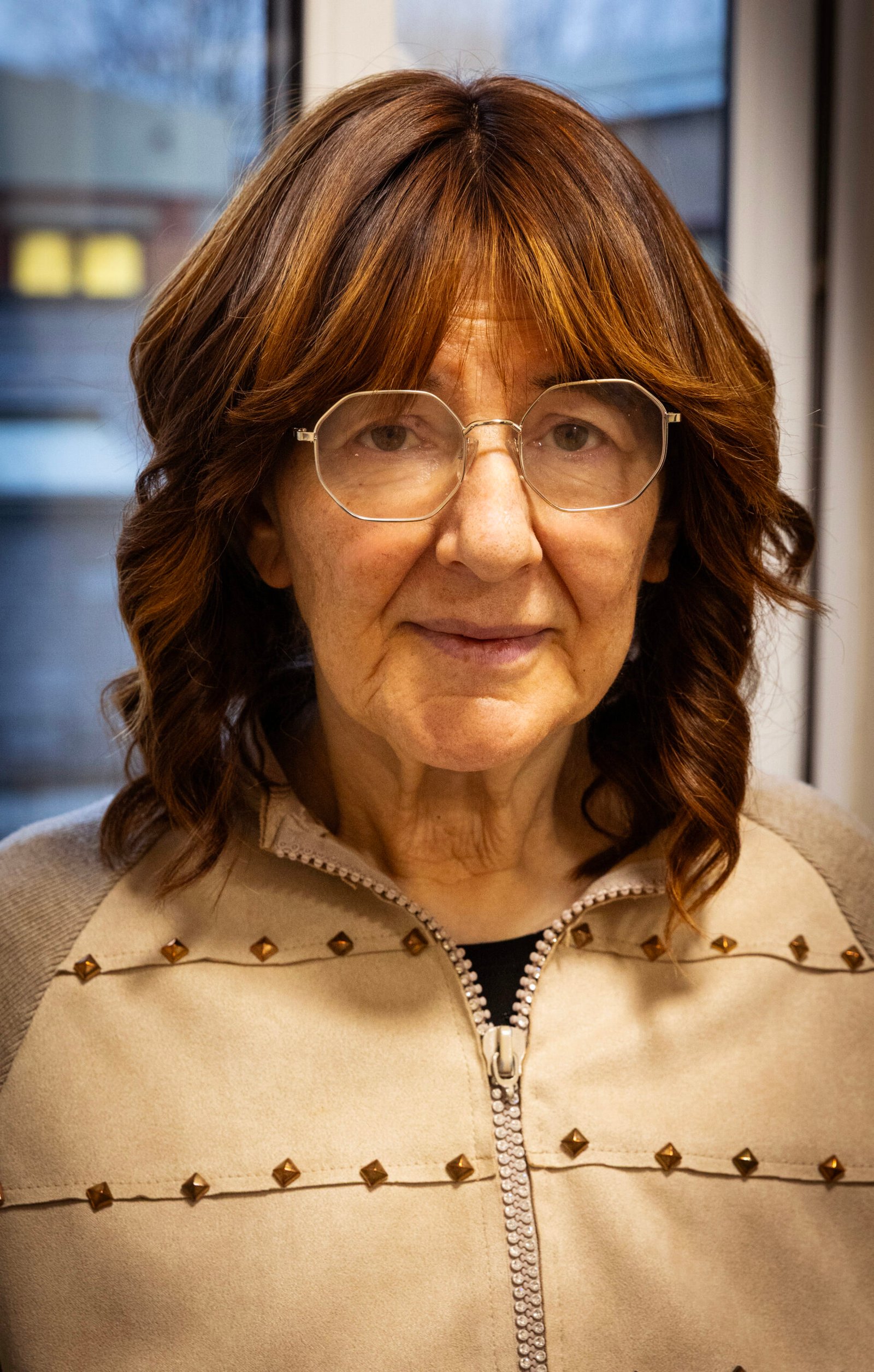
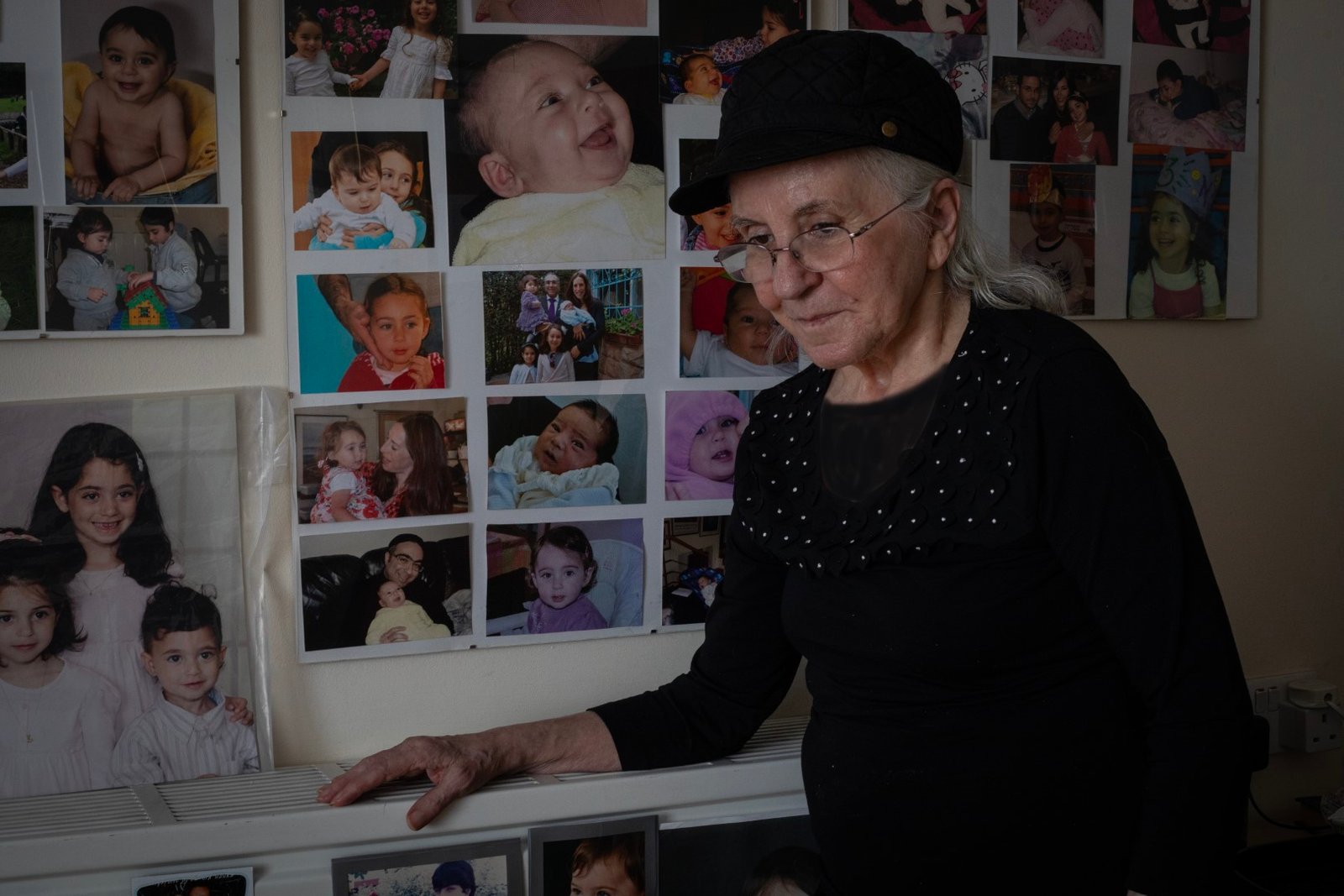
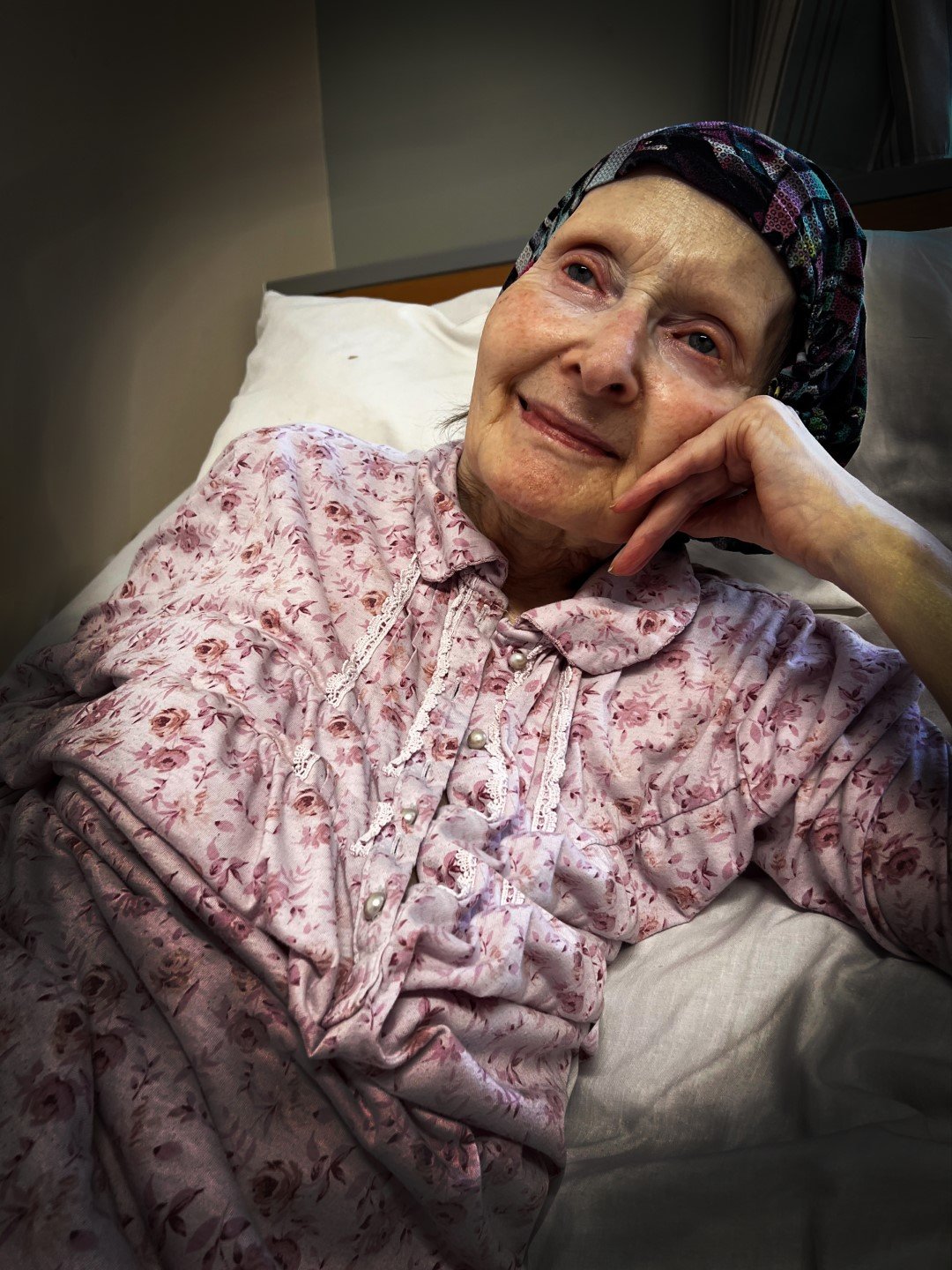
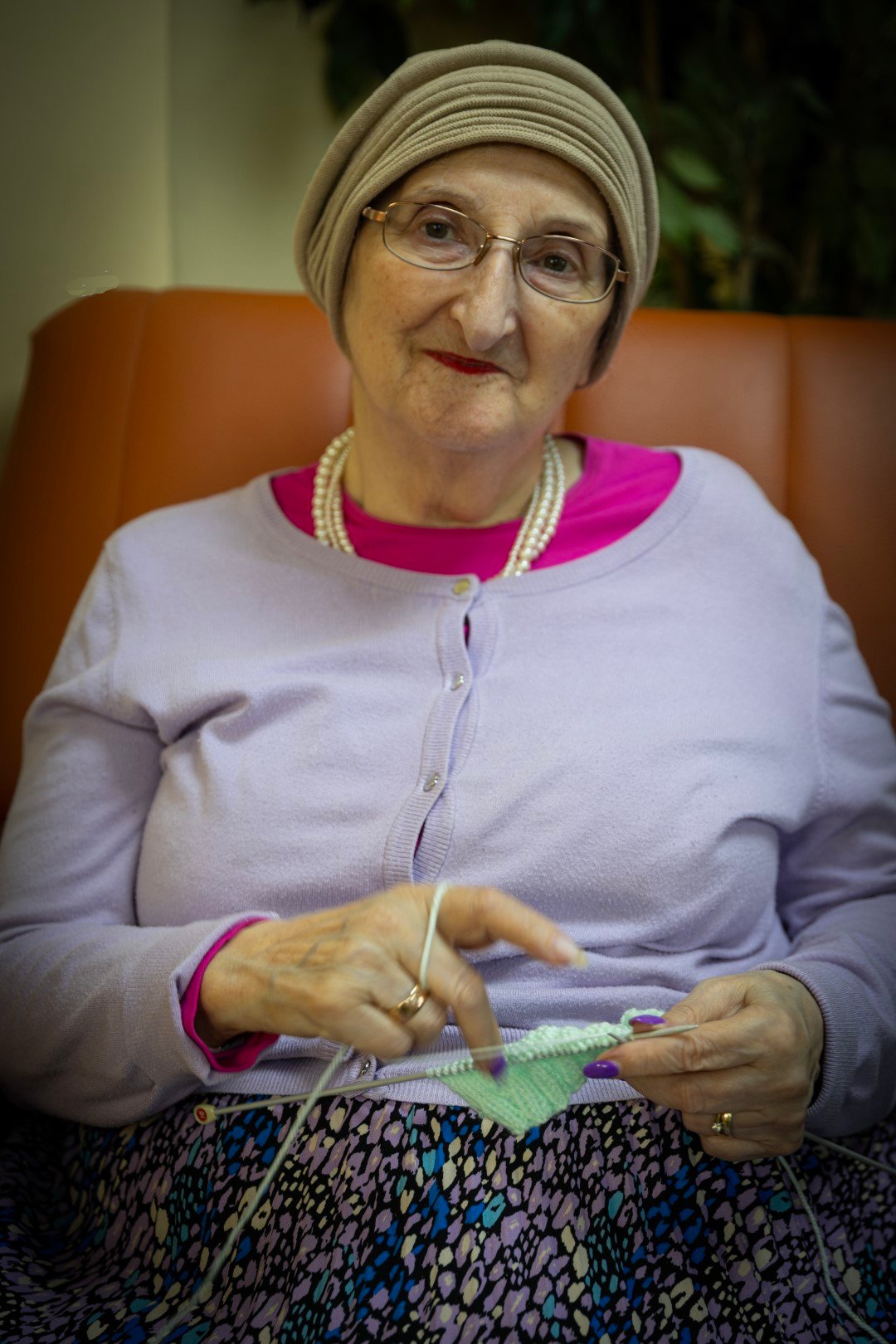
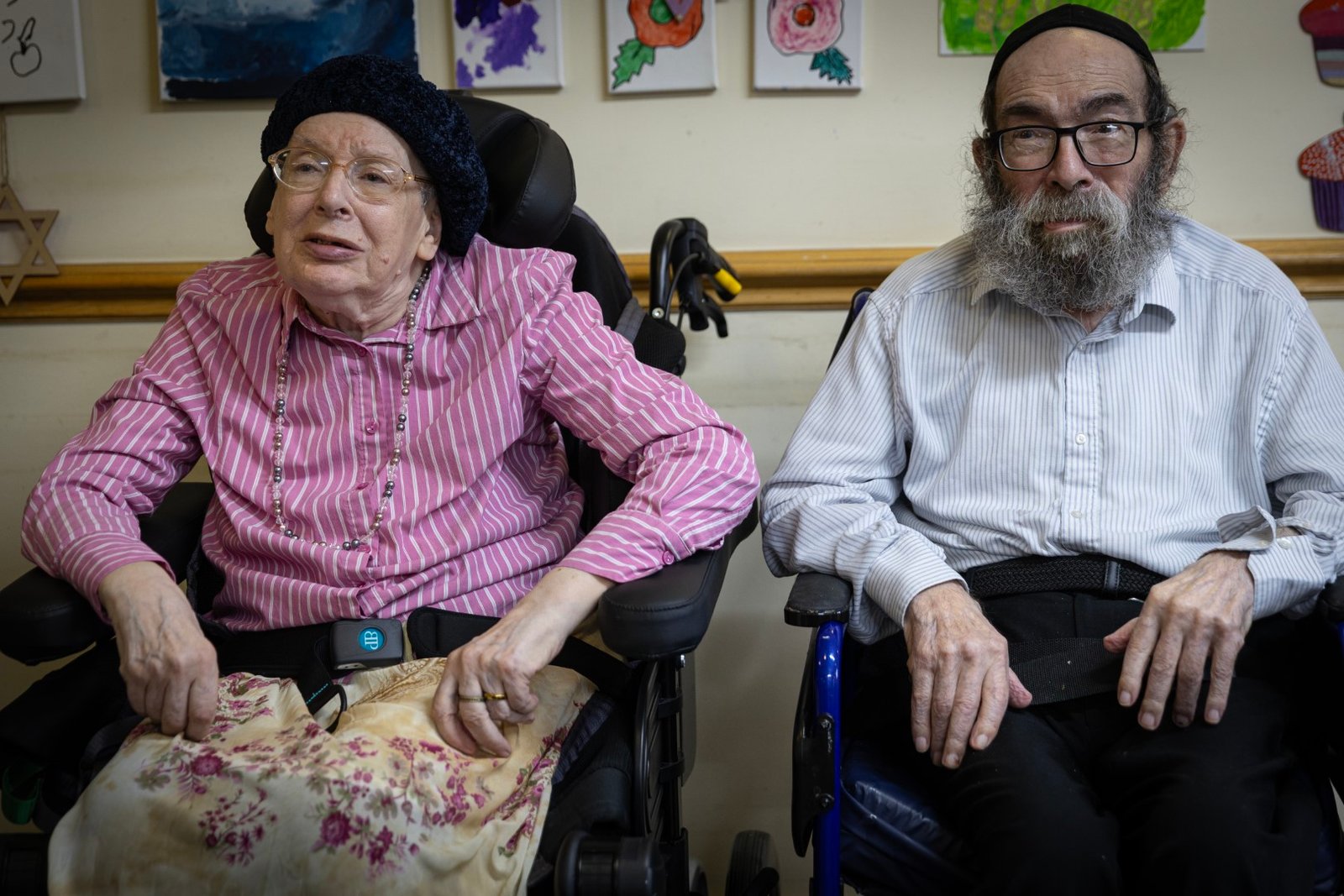
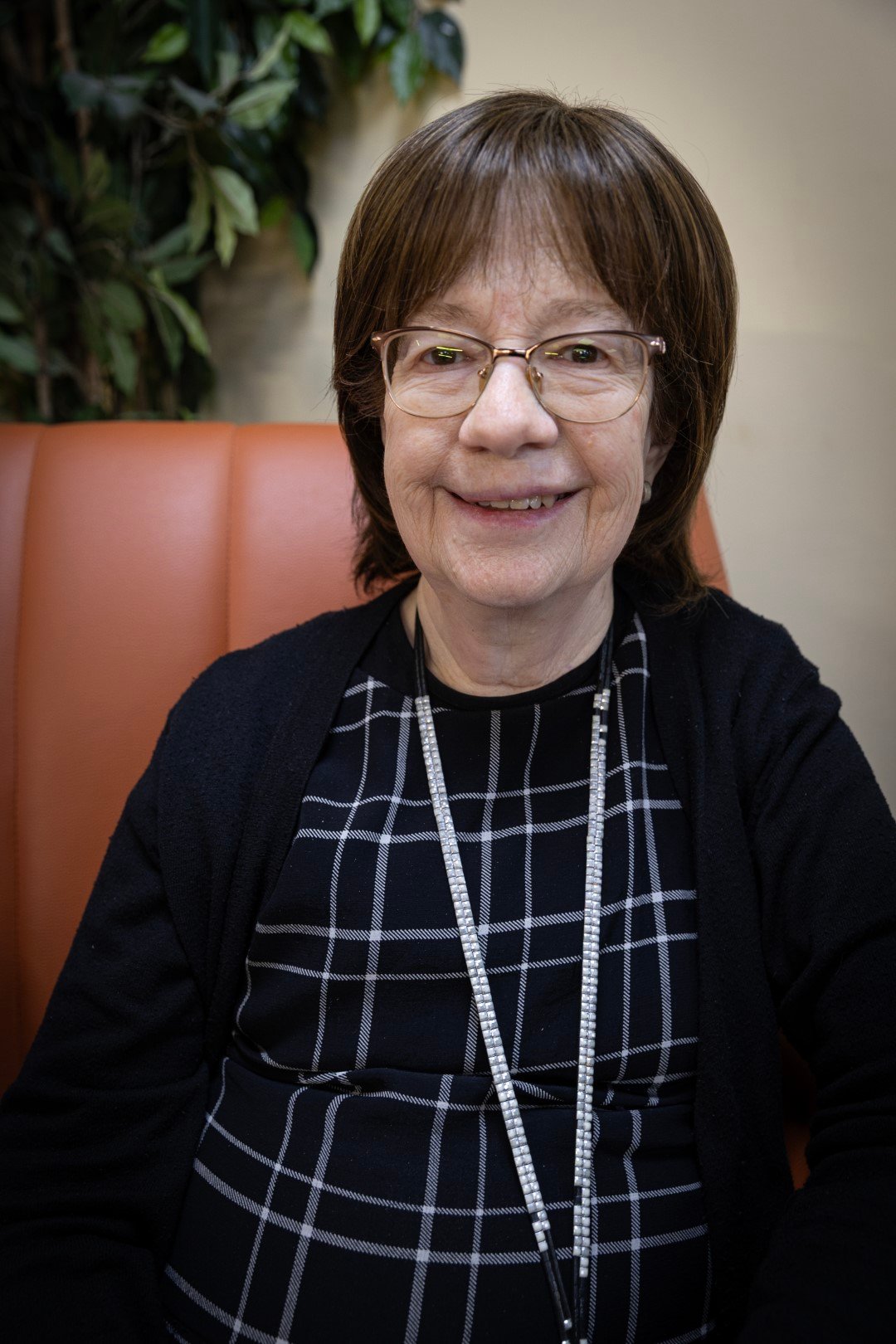
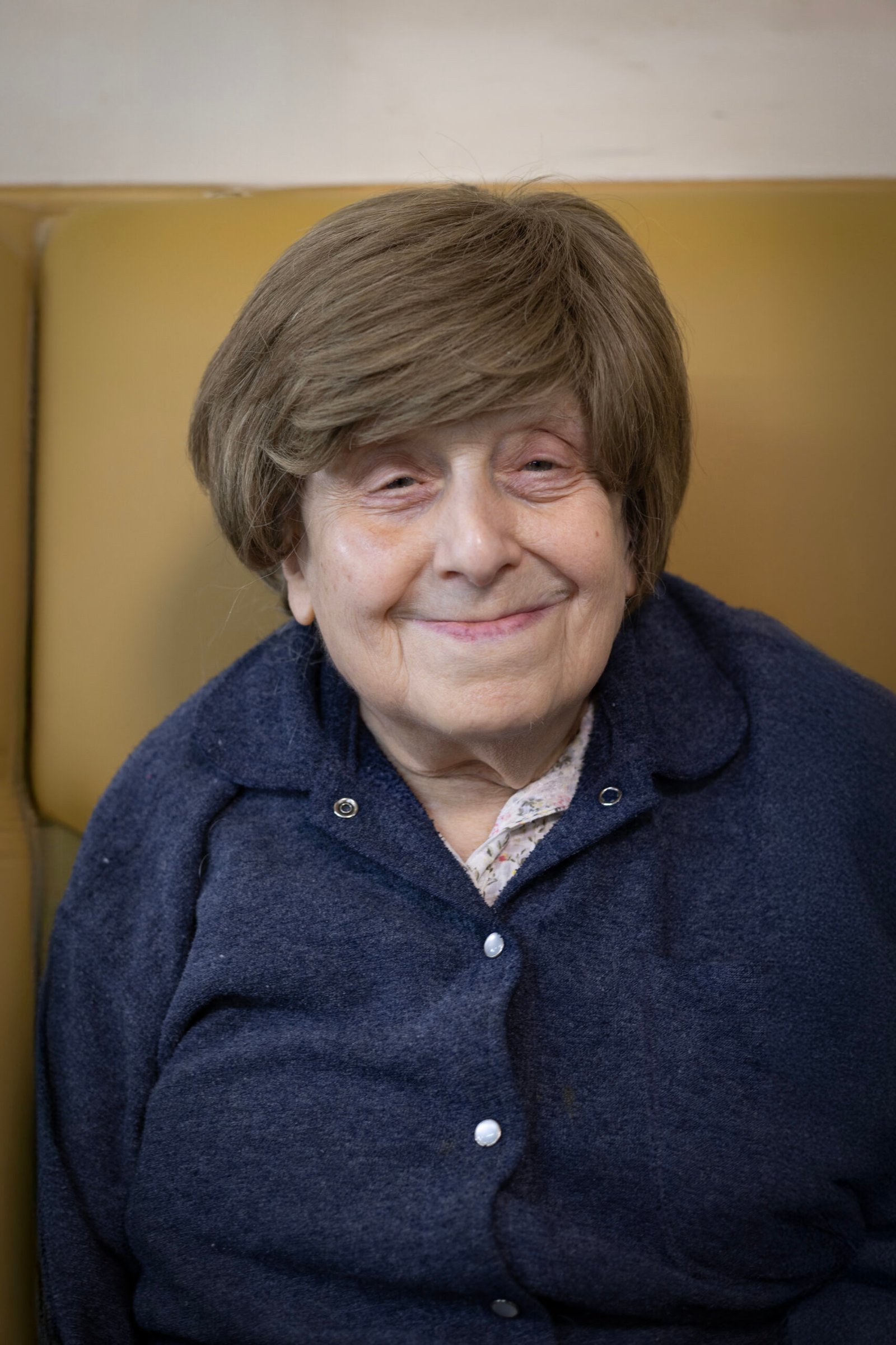
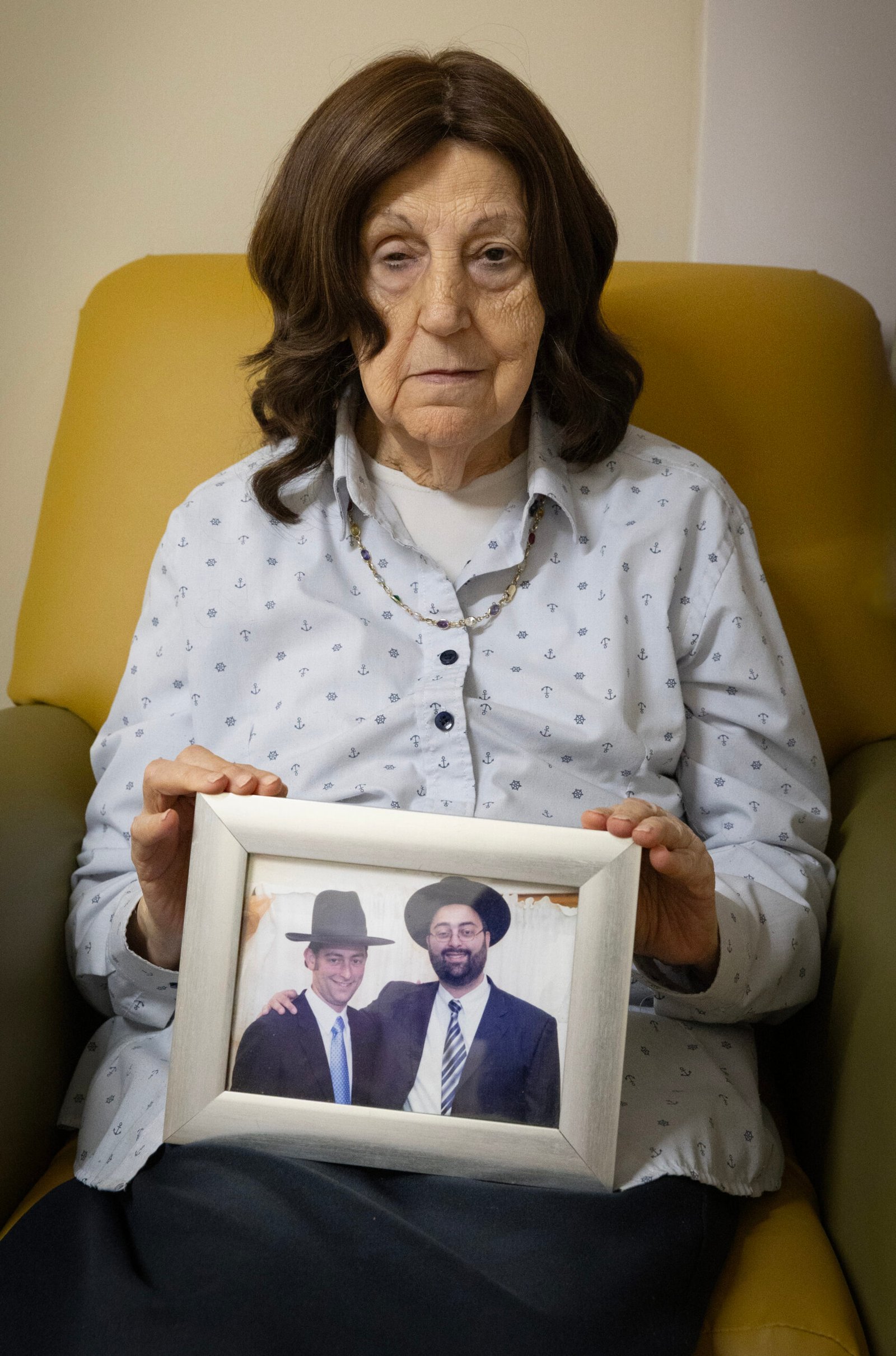
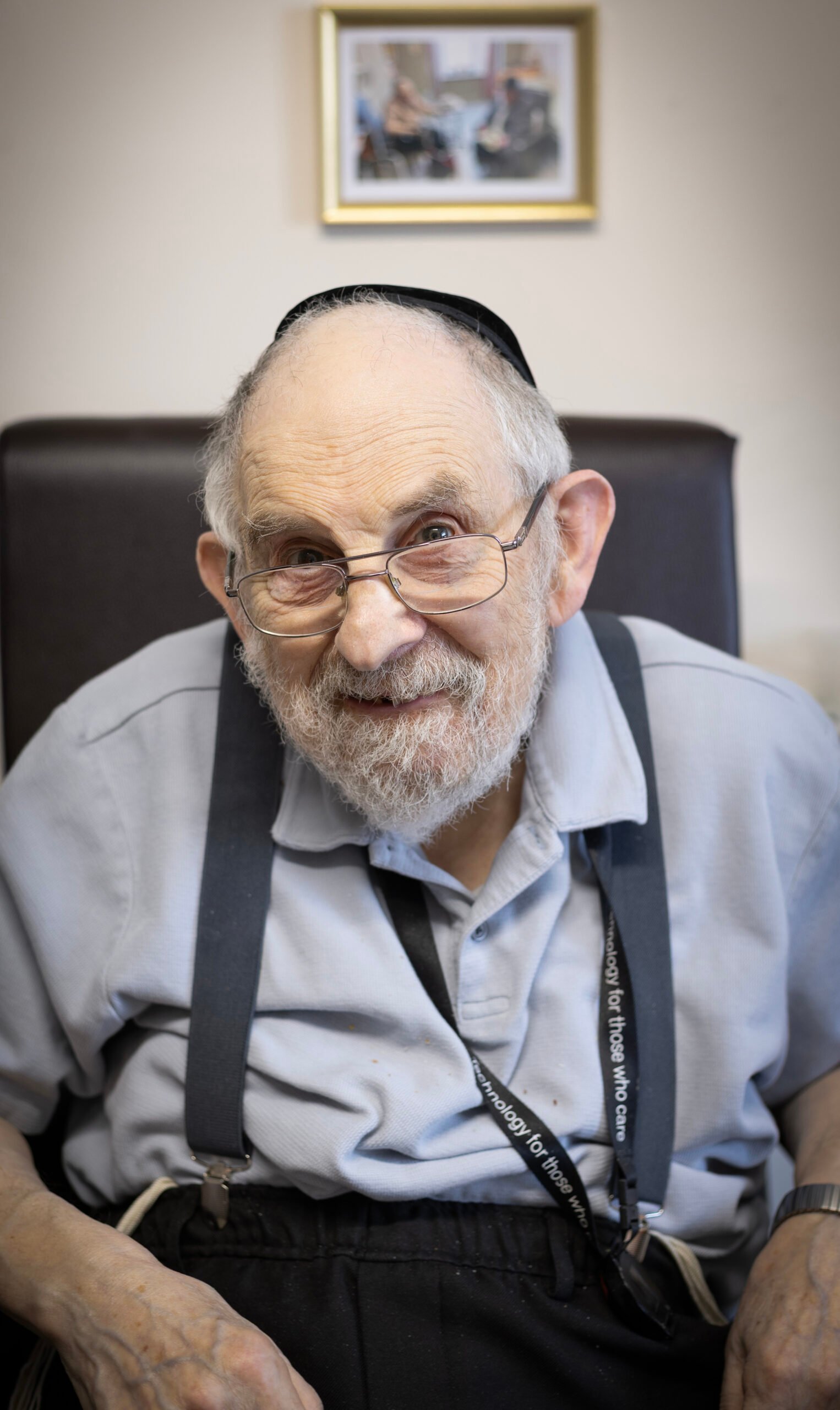
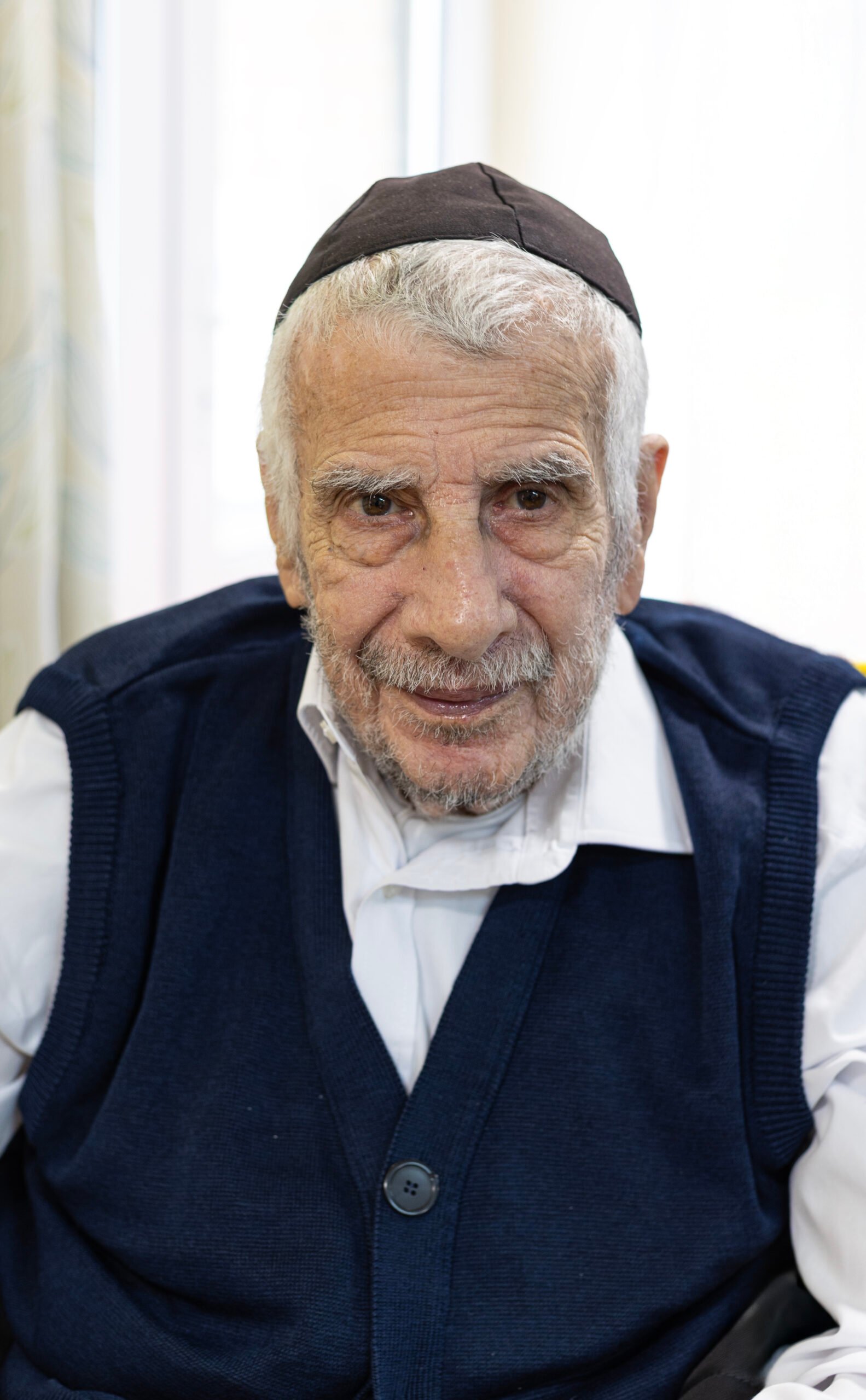
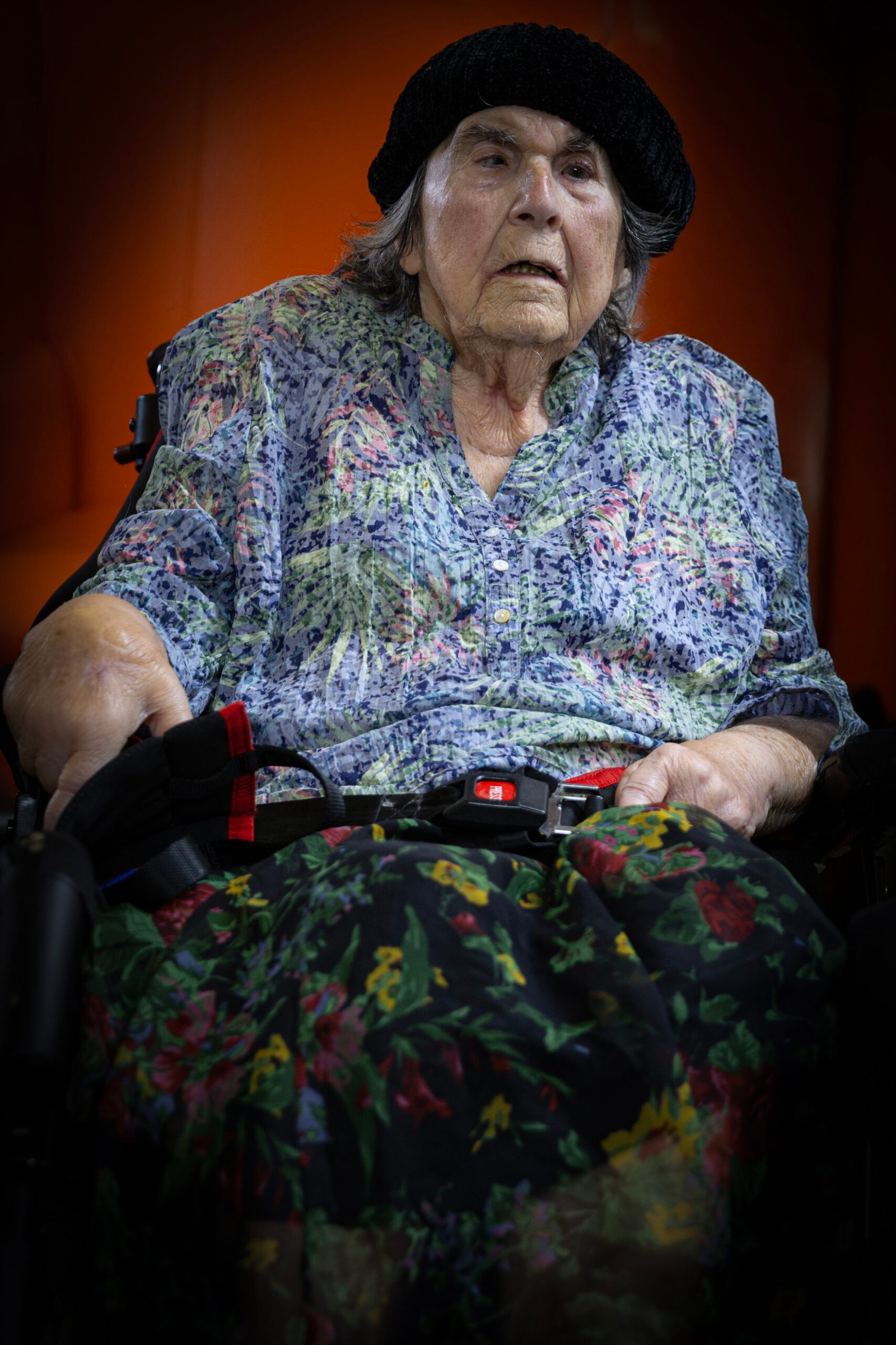
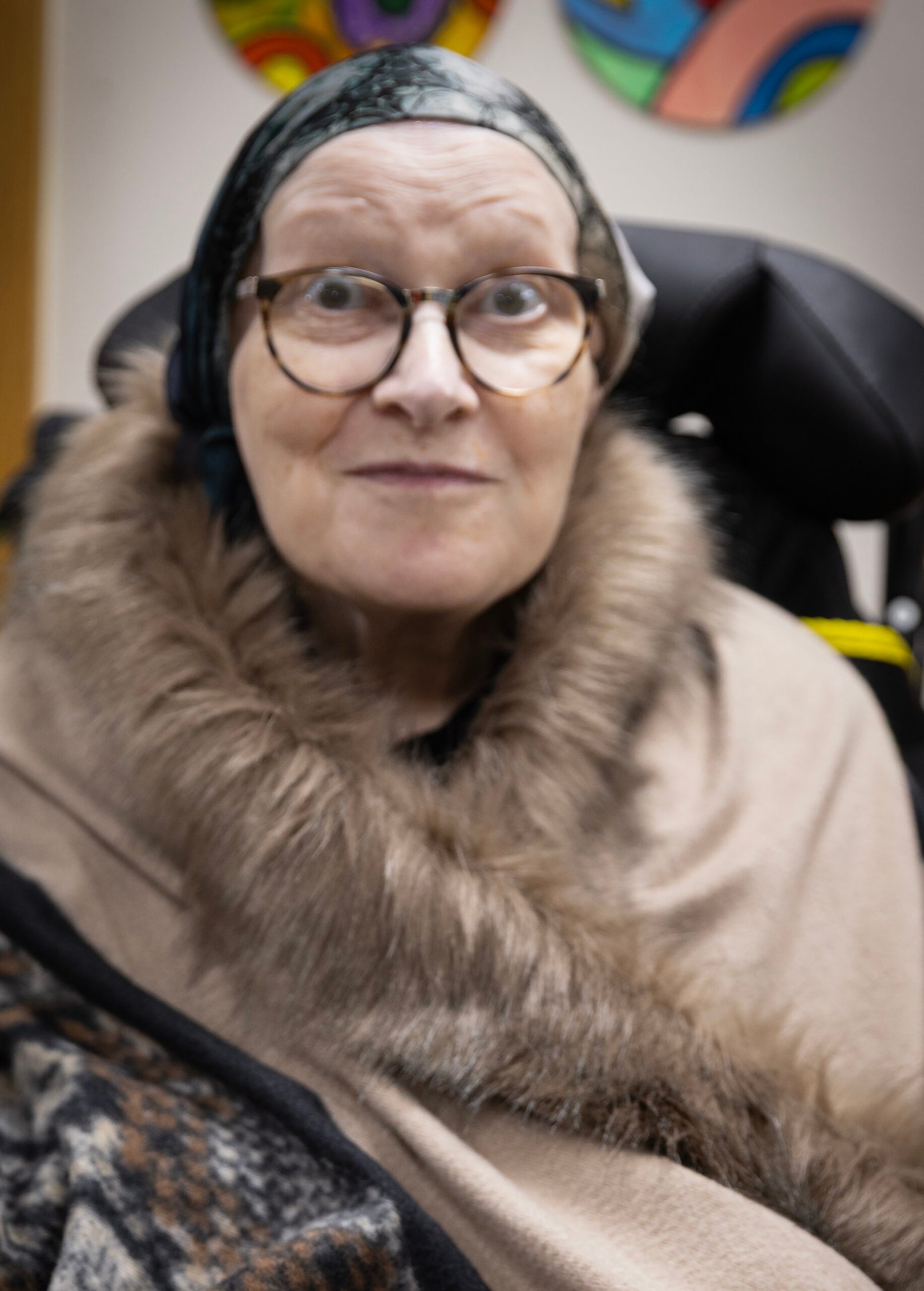
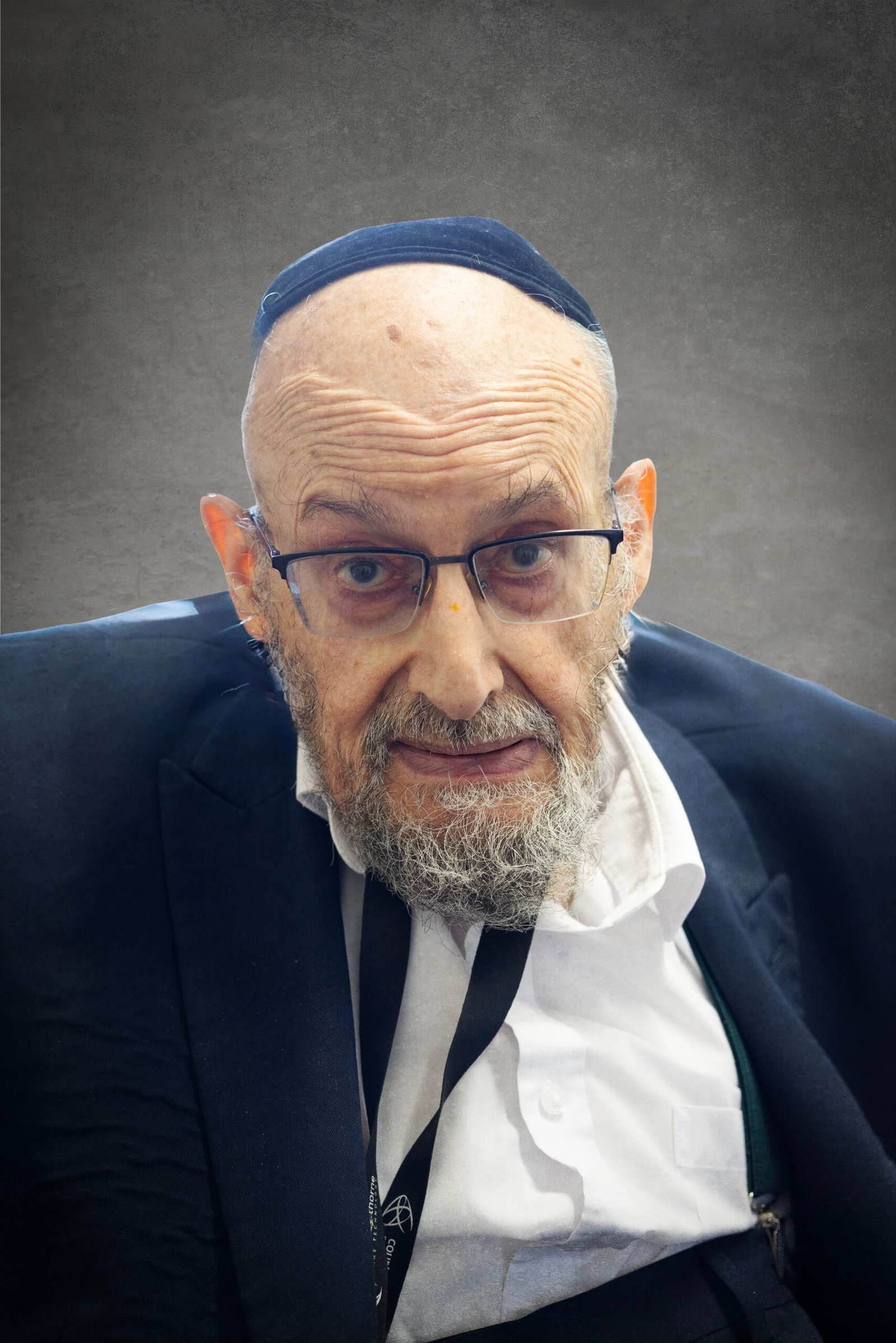
We owe it to our elders, as they are the ones who built our communities, to listen carefully and learn from their past for the sake of our future. Thus, the audio recordings were minimally edited, removing only what was absolutely necessary. Similarly, the photographs accompanying the recordings are intentionally presented without explanations. This choice reflects our understanding that stories aren’t only told through words. They can be read in the expressions on faces, in the lines that trace their life experiences, and in their hands, which silently tell their own profound stories.
Often, when individuals enter care homes, their needs become greater, making it more difficult to share stories in a chronological or coherent way. Yet, this exhibition aims to demonstrate that if we pause, observe, and listen closely—even between the lines—everyone has meaningful experiences to share. Memory loss deeply impacts not just the individual but also their families and the community around them. Nevertheless, by stopping to truly listen and look, there is still much we can learn.
Although we couldn’t always physically capture every memory during our sessions, the nostalgia and warmth in the voices and the smiles on their faces, clearly illustrate the therapeutic and emotional value of these interactions—not only for the participants themselves but also for their family members, the volunteers, and care staff.
People experiencing memory loss are often overlooked by society; their voices frequently go unheard. However, giving someone a microphone empowers them, bringing their stories to life, and giving value and dignity back to their voices. The core message of Who We Were is simple yet profound: we must pause, listen, and acknowledge the stories of others. In a world focused on instant results and rapid conversations often driven by ulterior motives, this exhibition encourages us to slow down, look deeply, and truly hear one another.
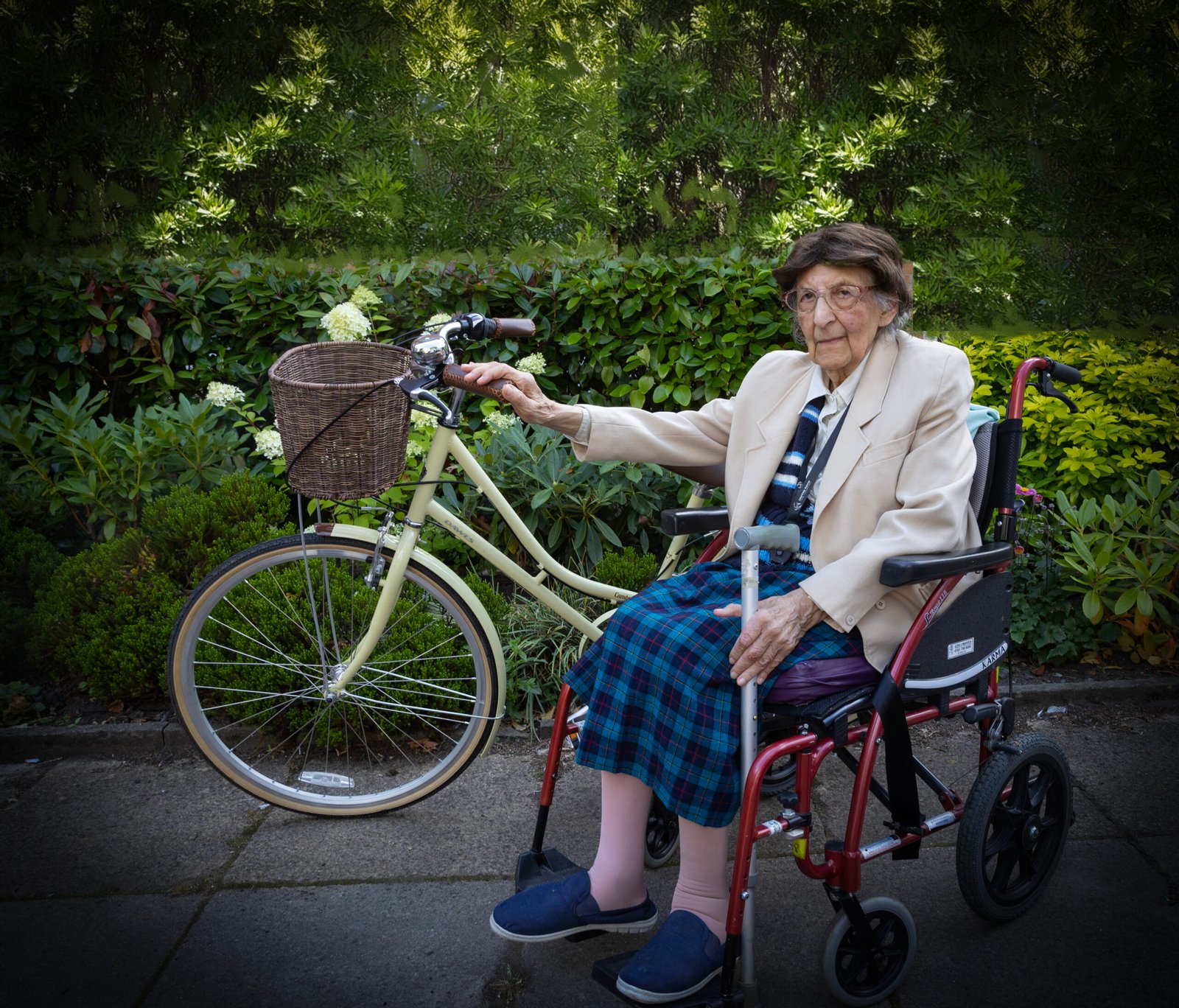
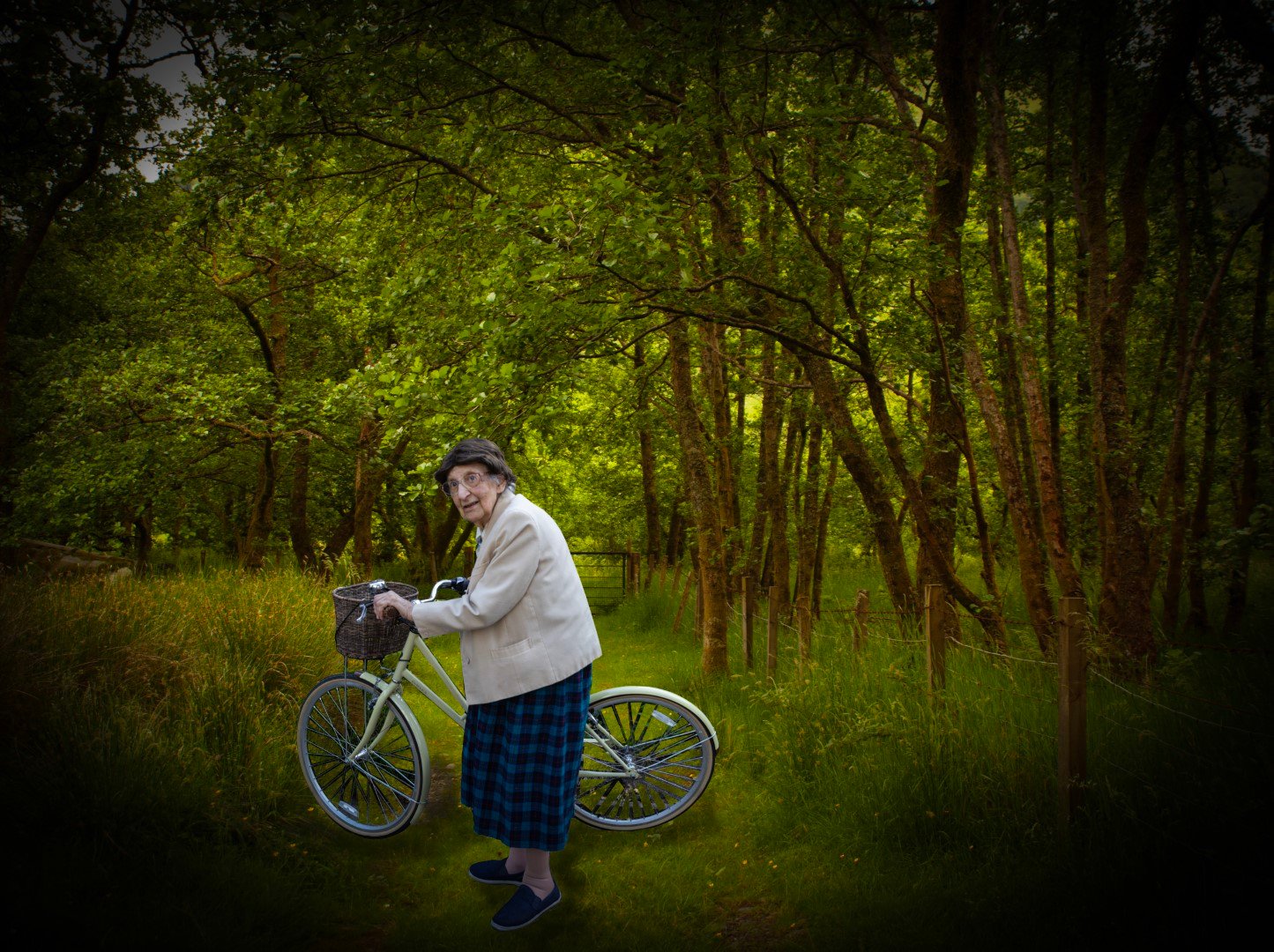
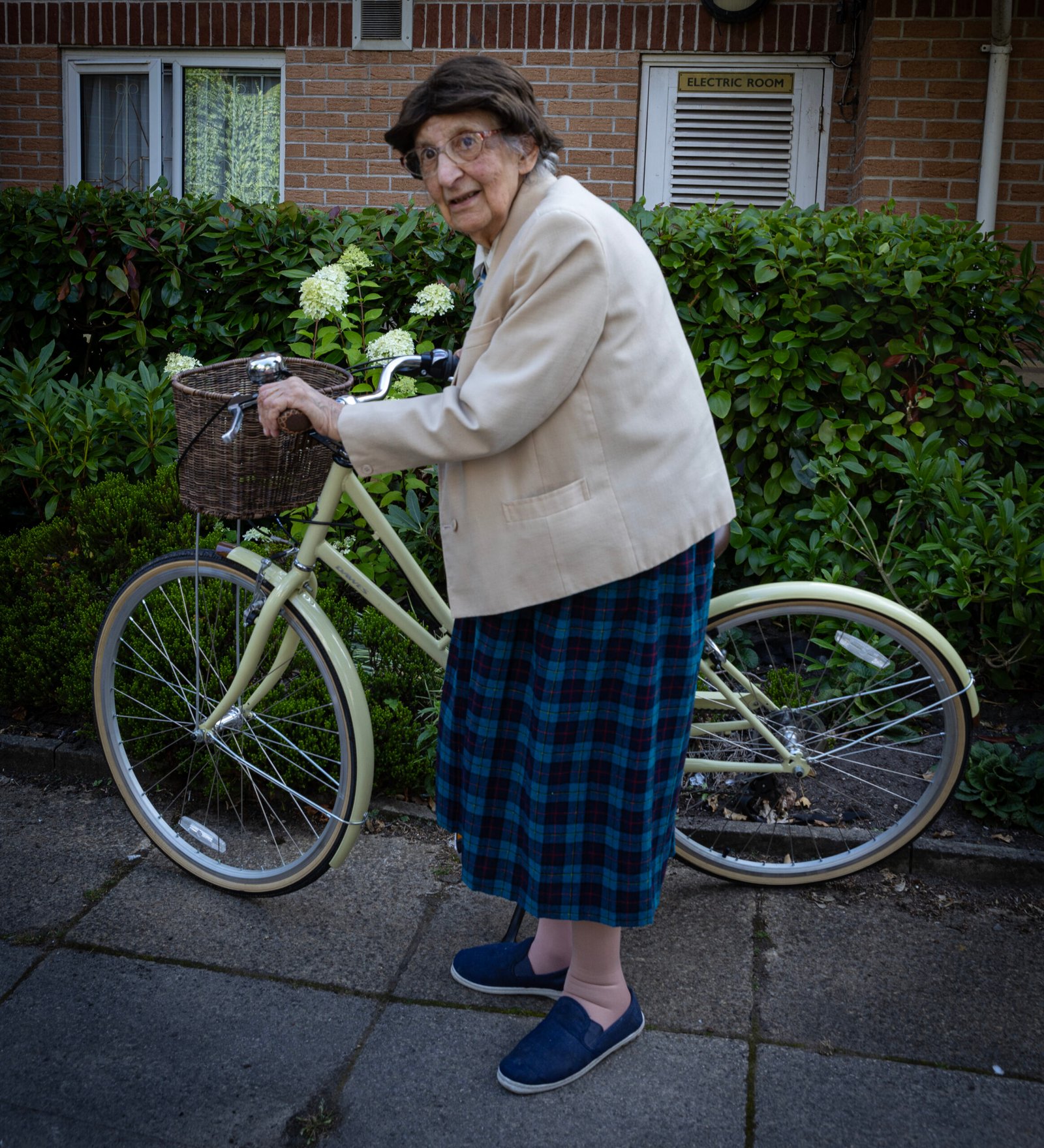

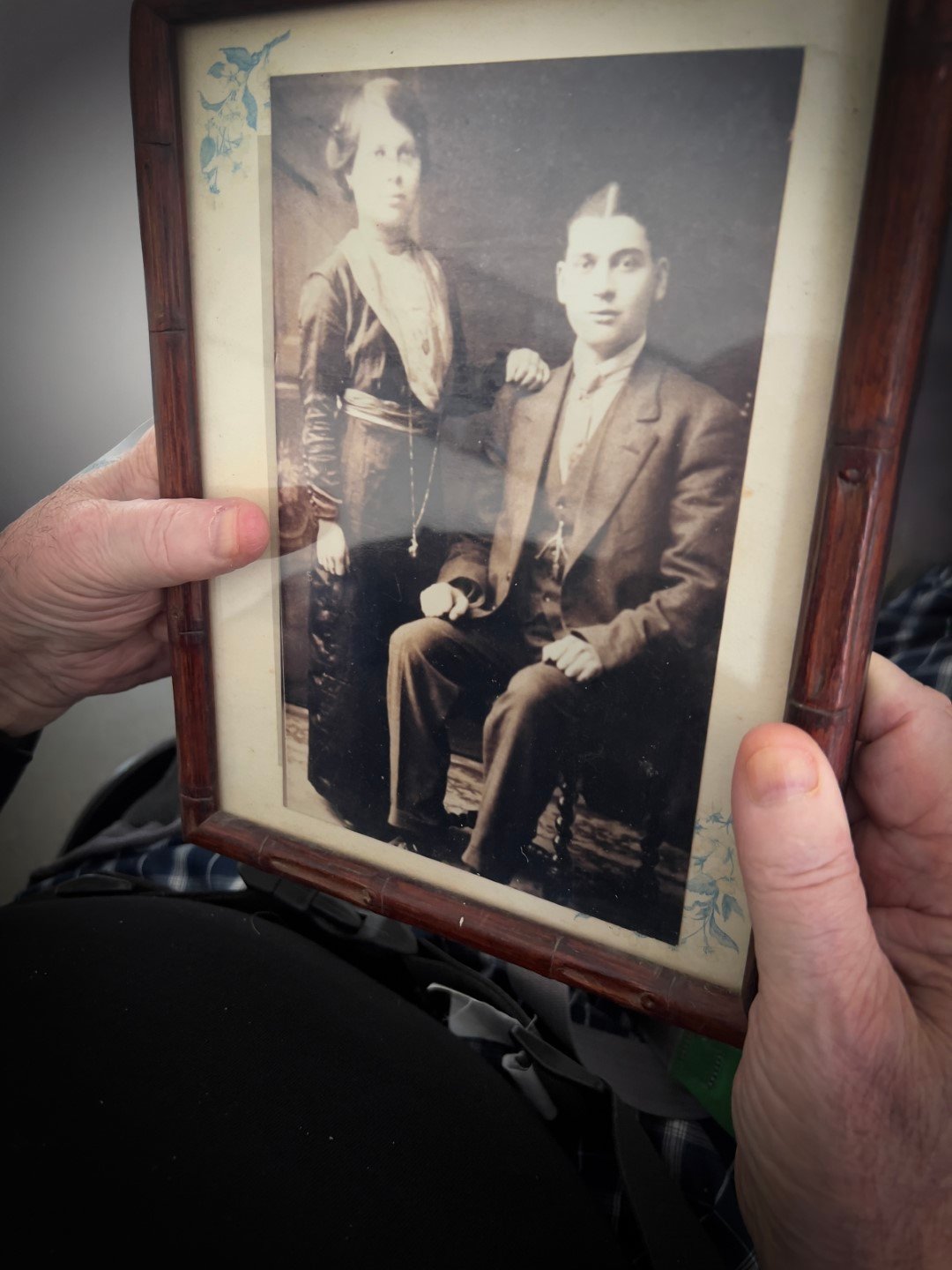


Mrs. Young
Click on the lyrics to view full transcript
Ruth Lachs
Click on the lyrics to view full transcript

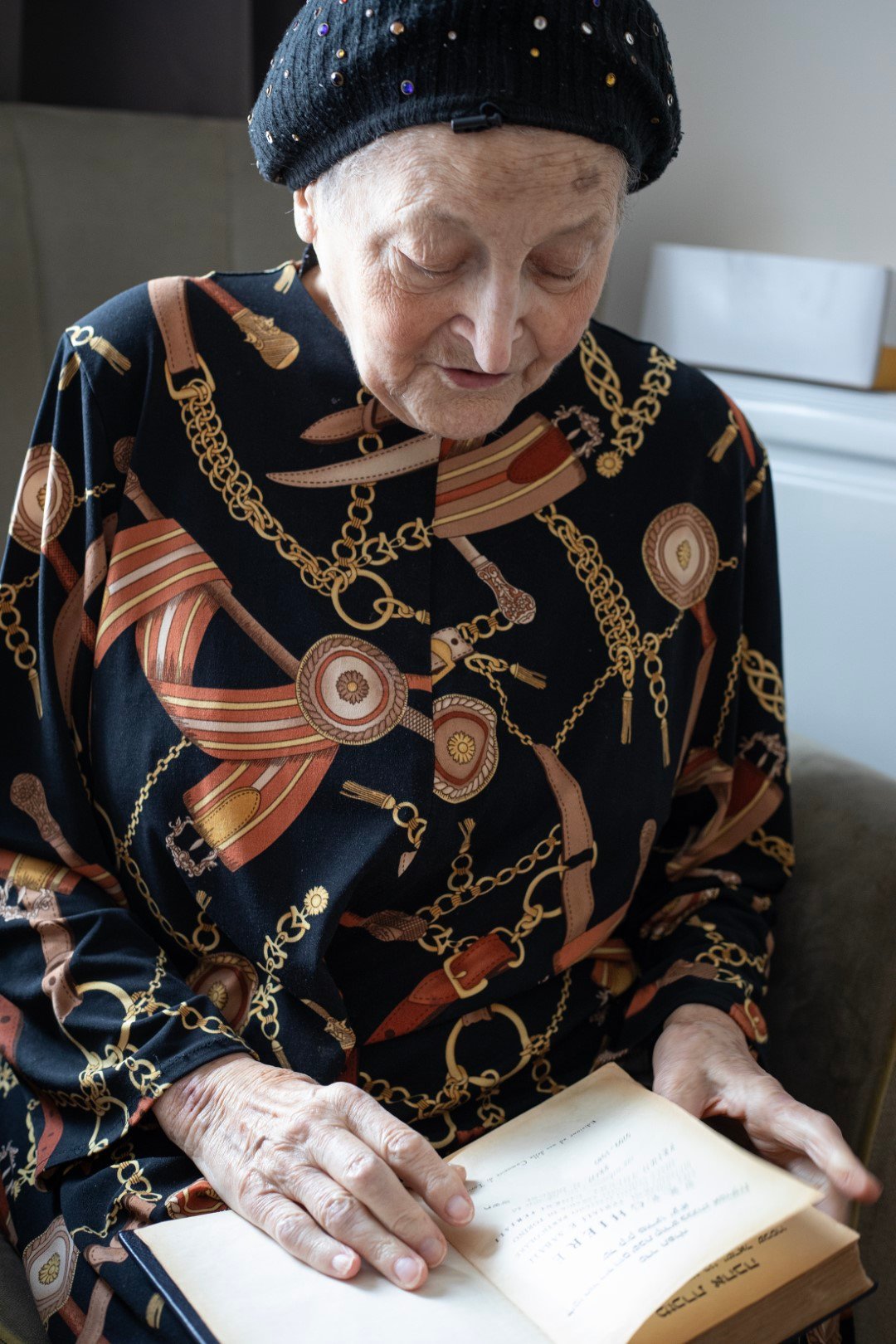
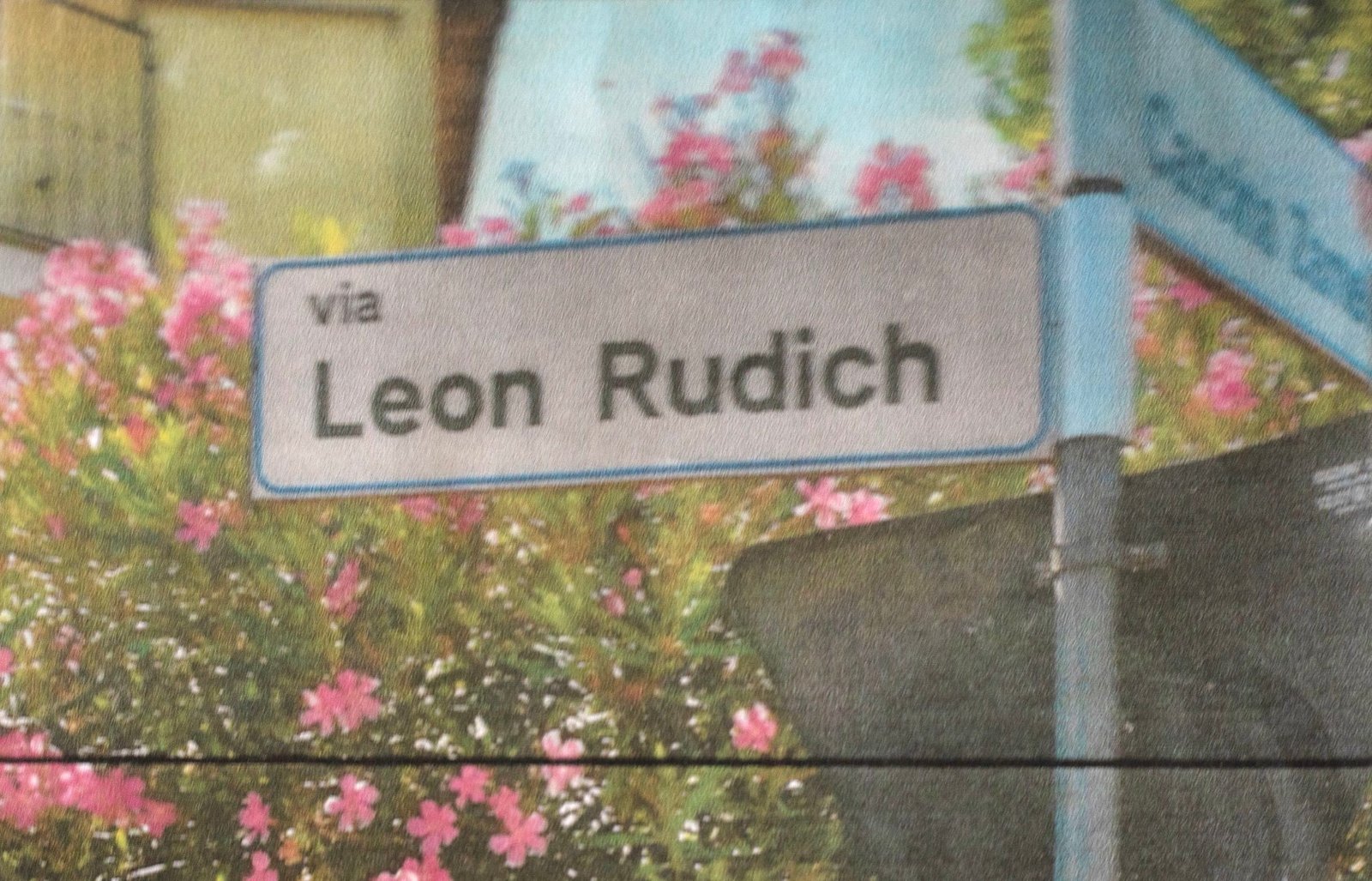
Peter Nissen
Born in Crumpsall on 23rd December 1943
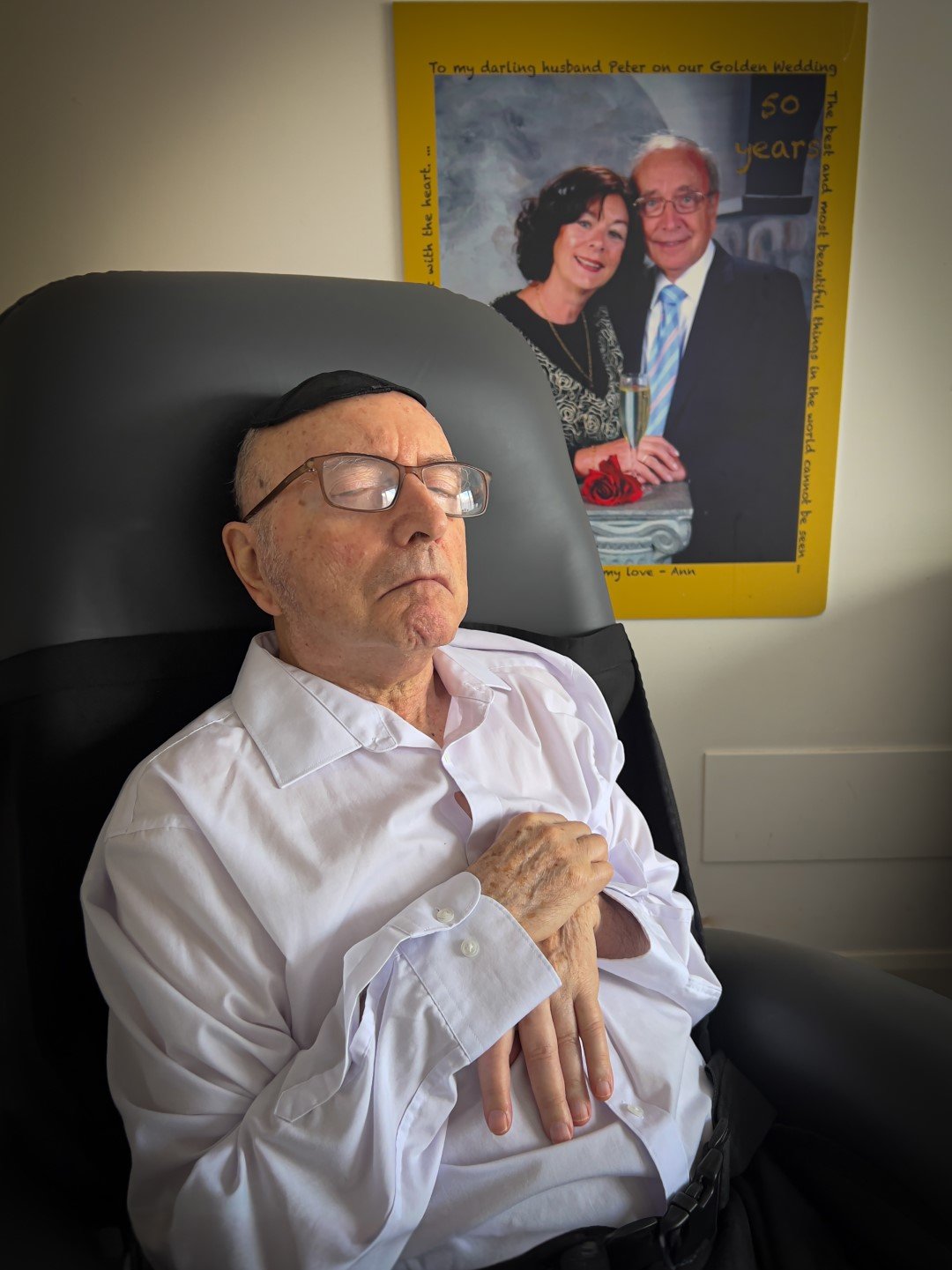
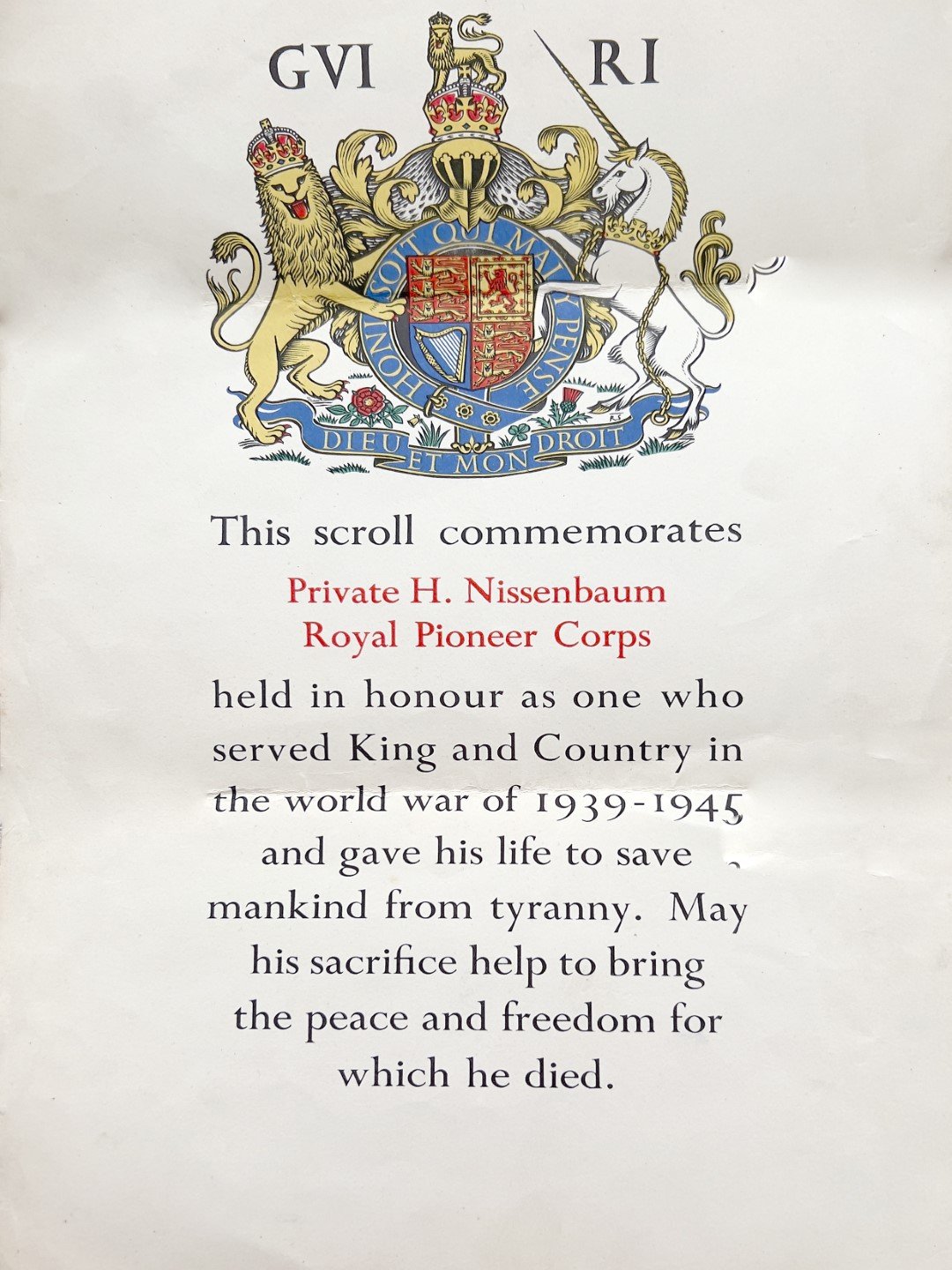
Peter Nissen was an only child. His father served in the Royal Pioneer Corps during the war, enduring the brutal conditions of the trenches in Belgium. He described the appalling conditions: rat-infested trenches, icy water reaching his calves, and the constant, gnawing fear. This unimaginable suffering left him deeply scarred, plagued by anxiety and high blood pressure. He was eventually invalided out of Belgium and returned to England, but tragically, he passed away shortly after the war’s end.
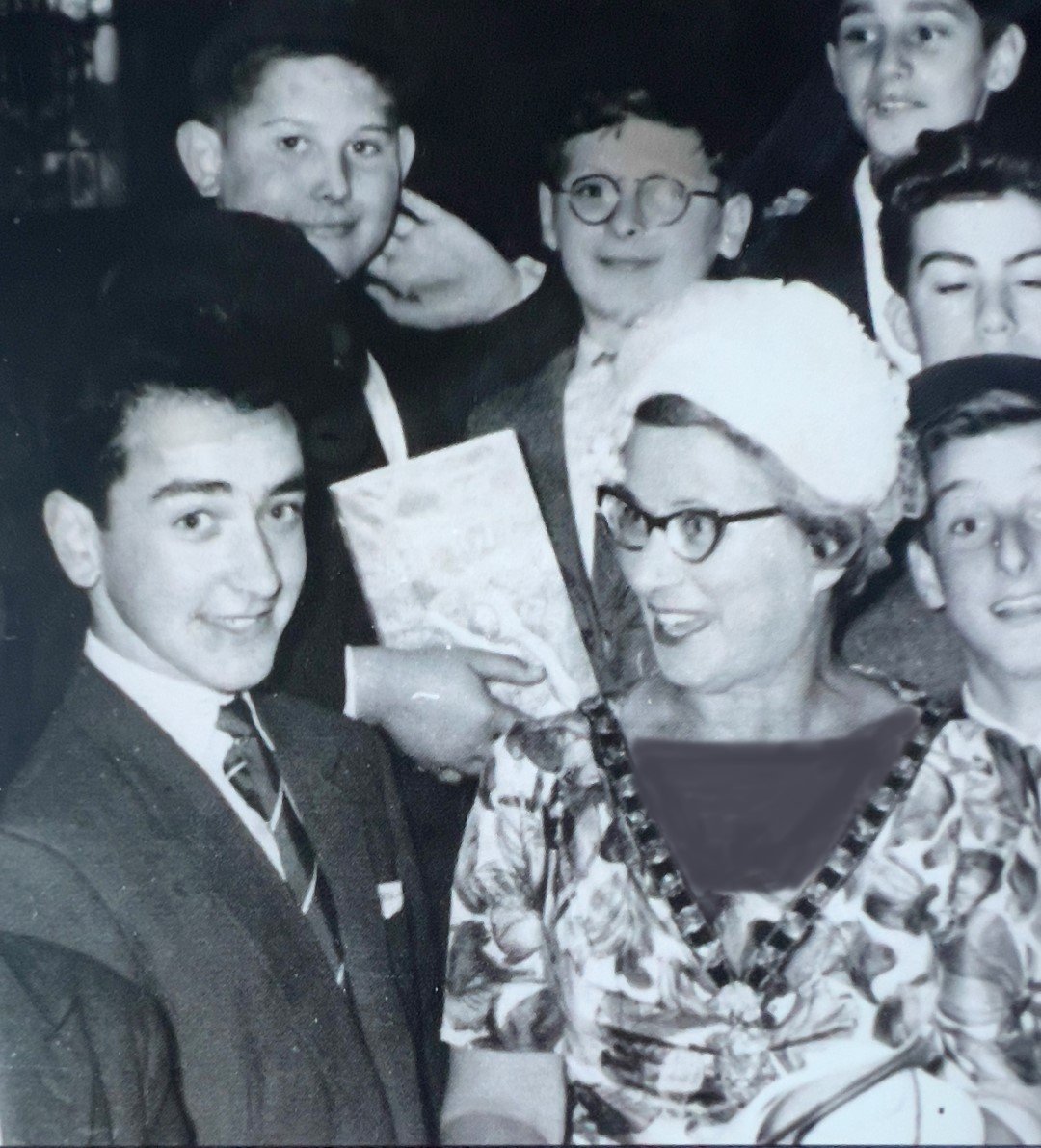
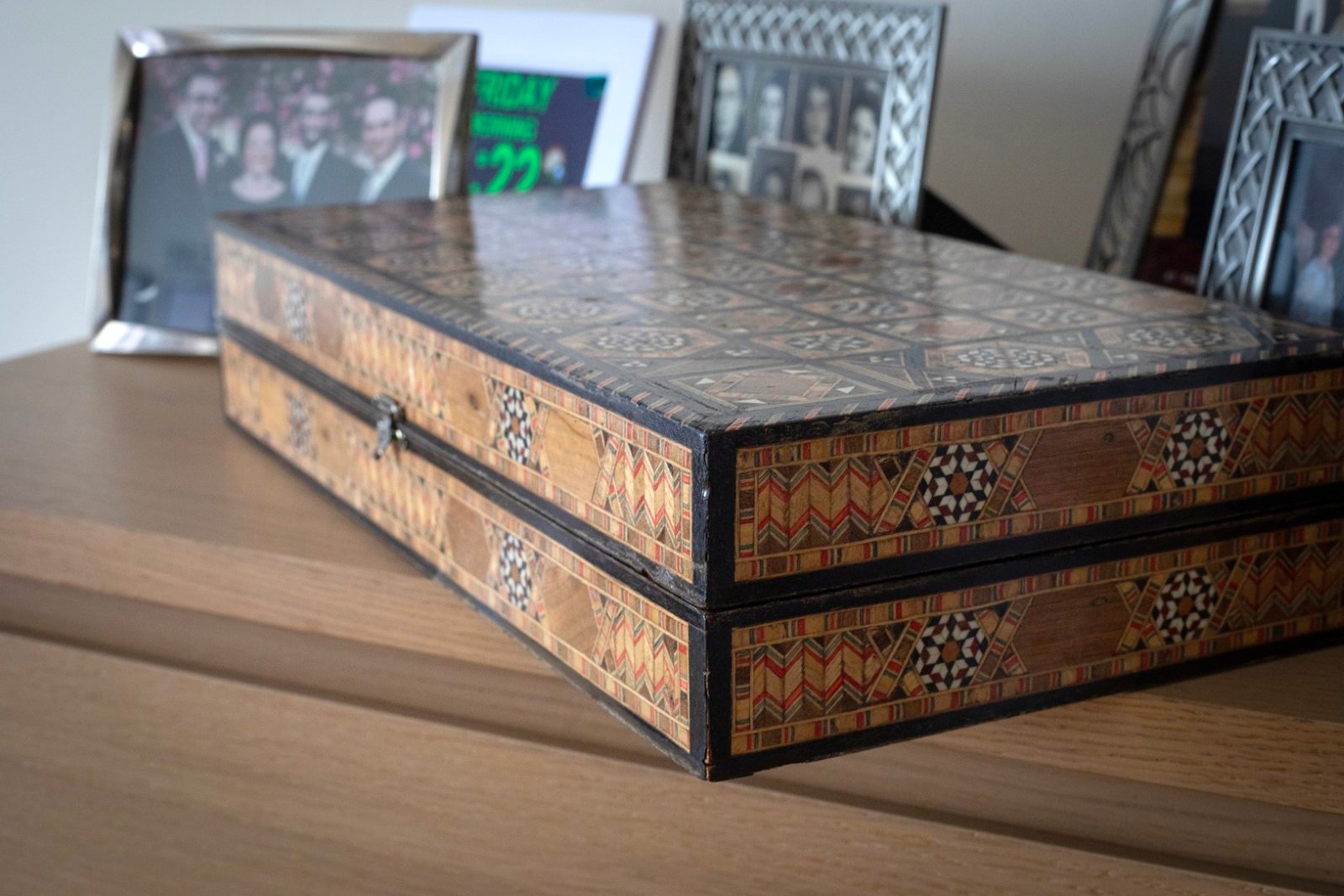
Peter was raised by his mother, who worked tirelessly to support them both. He became what was known as a “latchkey child,” returning to an empty home and waiting for her return from her long hours. Seeking to build his confidence, his mother encouraged him to take public speaking lessons. It was there that he discovered his voice, developing a style that earned him prizes and awards. A photograph captures one such moment, the Lady Mayoress presenting Peter with a prize.
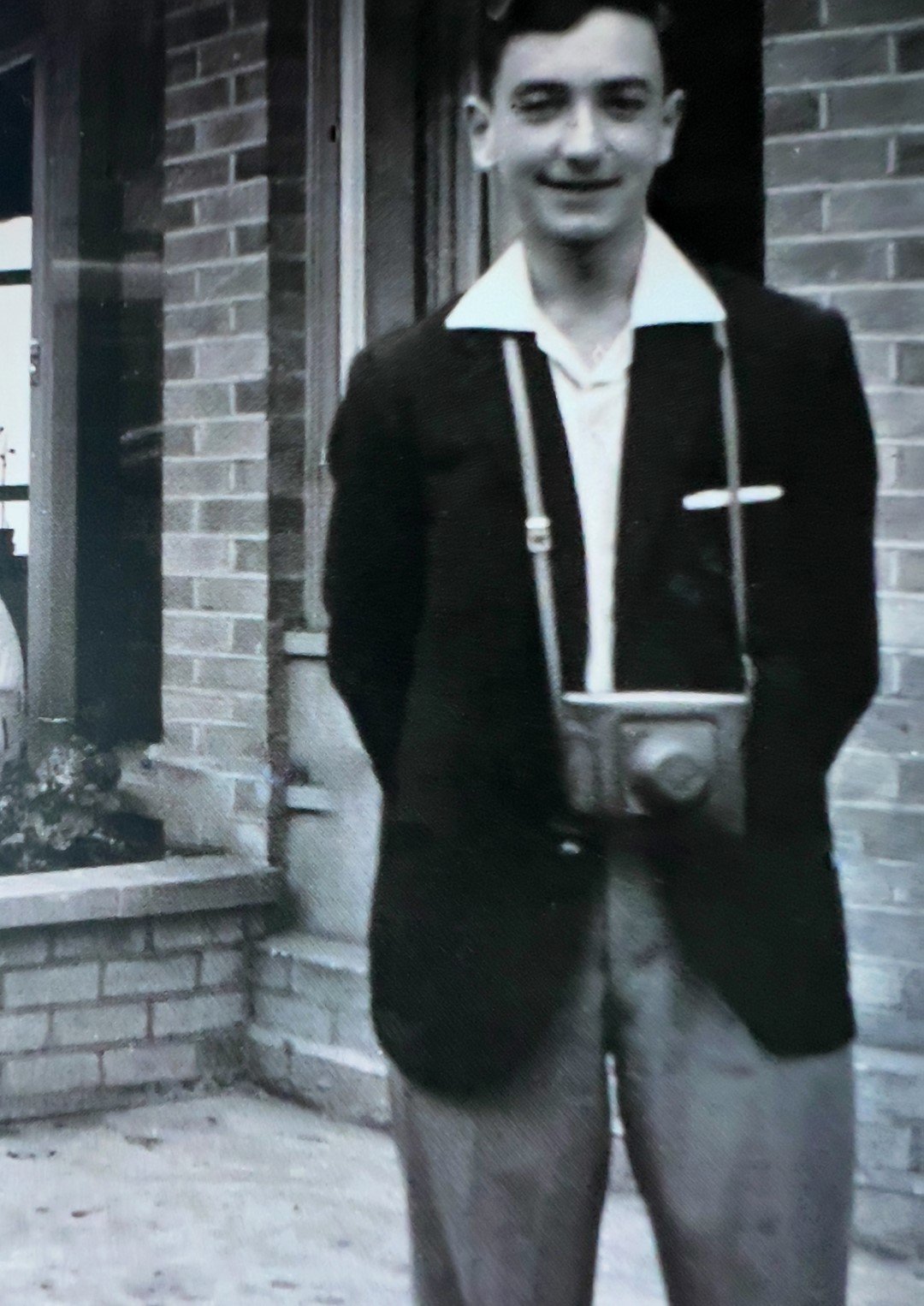
Peter Nissen’s interest in photography began early, and he received a camera for his Bar Mitzvah. Little did he know then that this childhood passion would one day become the foundation of his own business.
Esther Josephs
Esther Josephs was a talented seamstress and artist.
She’s a mother of five, grandmother and great grandmother.

Phase 2
From Lead Artist Chava Erlanger
Read MoreLess
Providing participants with the opportunity to speak, to share their thoughts, and to know that someone is genuinely listening proved to be a powerful and empowering experience. One participant in particular rarely spoke and, when she did, her voice was little more than a whisper. After recording her, I played the recording back and gently said that we were struggling to hear her clearly and asked if she could speak a little louder. She looked at me and asked, “Oh, do you want to hear me?” When I replied, “Yes,” I recorded her again and let her listen to her own voice. Her reaction was remarkable. Simply knowing that someone wanted to hear what she had to say encouraged her to make a real effort to speak more clearly.
Not every recording was coherent or easy to follow, but that is the reality of dementia. Memories, places, people, and different periods of life often blend together, creating a new and sometimes fragmented reality. At times the conversations seemed to make sense, and at other times they did not. Yet coherence was never the purpose of the recordings. The purpose was to affirm that every person’s voice, thoughts, and experiences matter.
This project reminds us that we should not value only polished, well-structured, or perfectly edited stories. The fragmented narratives of people living with dementia are no less meaningful. They invite us to listen between the lines, to recognise the memories and emotions that remain, and to appreciate the rich lives these individuals have lived. Rather than seeing only someone sitting quietly, appearing confused, we are reminded that every person has a unique history, a lifetime of experiences, and a story that deserves to be heard.
Mr. Portnoy
Click on the lyrics to view full transcript
Linda
Click on the lyrics to view full transcript
Freida
Click on the lyrics to view full transcript


With Special Thanks To

For Recording Our Residents
Website Designed By